I’ll be honest: for a while I was keeping up with AI by skimming blog posts, reading newsletters, and watching YouTube videos. That works until it doesn’t. At some point you realize you’re fluent in AI marketing but not AI engineering. You know the buzzwords. You don’t know why your RAG pipeline hallucinates or how to evaluate whether your LLM app is actually reliable.
2026 is the year I fix that.
I put together this reading list for the year. It’s specifically for developers and practitioners who want real AI fluency. Not prompt tricks. Not hype. The mental models and engineering skills that matter when you’re building things.
Here’s what I’m reading this year, and why, and in what order.
Start here: build the mental model first
1. Hands-On Large Language Models — Jay Alammar & Maarten Grootendorst
(O’Reilly, Oct 2024)
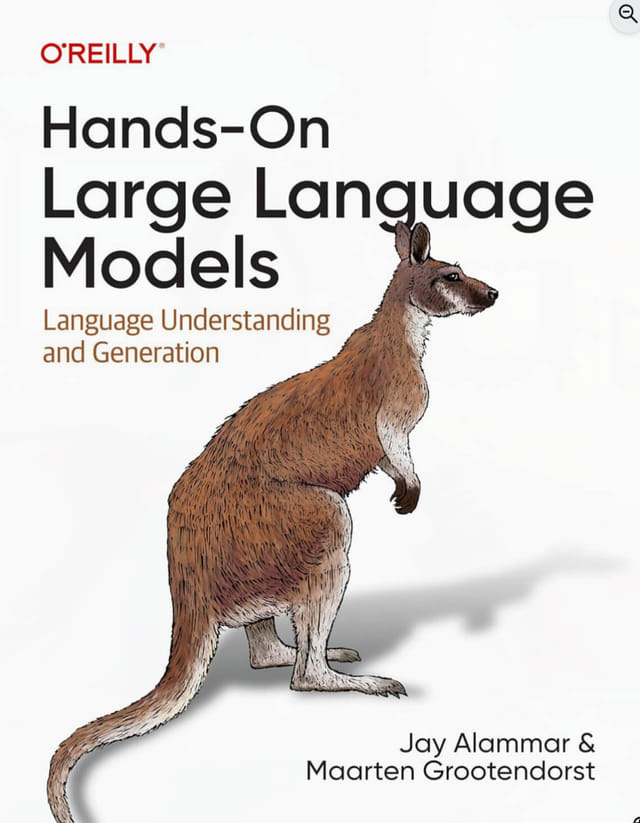
This is where I’m starting, and it’s where you should too if you haven’t already. Jay Alammar is one of the best technical explainers on the internet. If you’ve ever read his illustrated transformer posts, you know what I mean. This book is that, but comprehensive and current.
It’s visual and hands-on, and it builds the vocabulary you need before everything else on this list makes sense. Weeks 1-2 for me.
👉 Get it on Amazon
2. AI Engineering: Building Applications with Foundation Models — Chip Huyen
(O’Reilly, Jan 2025)
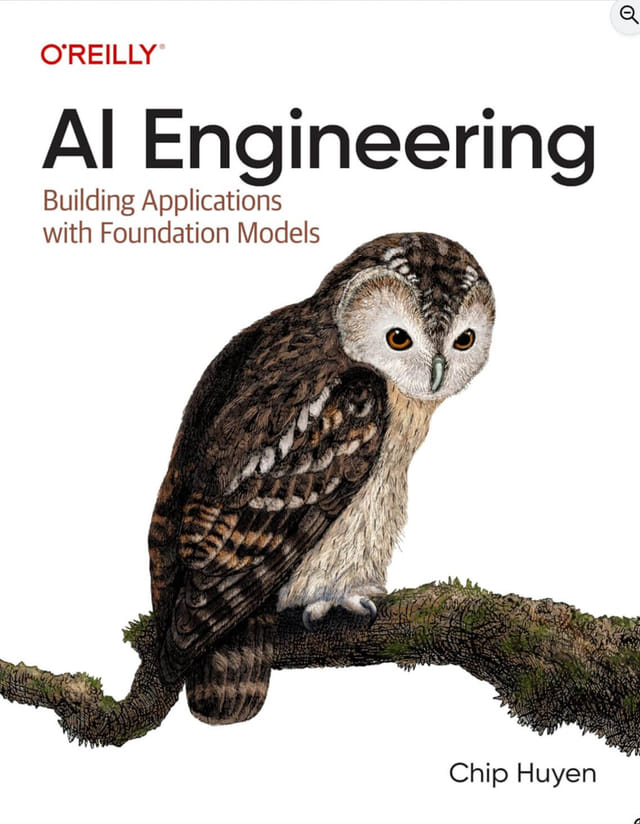
Chip Huyen wrote Designing Machine Learning Systems, which is a classic. This is the LLM-era version. It covers how real applications get built with foundation models: data, RAG, evaluations, deployment tradeoffs, failure modes. The systems view that most tutorials skip entirely.
If you’ve ever shipped something to production and watched it fall apart, this book has the answers. Weeks 3-4.
👉 Get it on Amazon
Go deeper: production, RAG, and reliability
3. A Simple Guide to Retrieval Augmented Generation
(Manning)
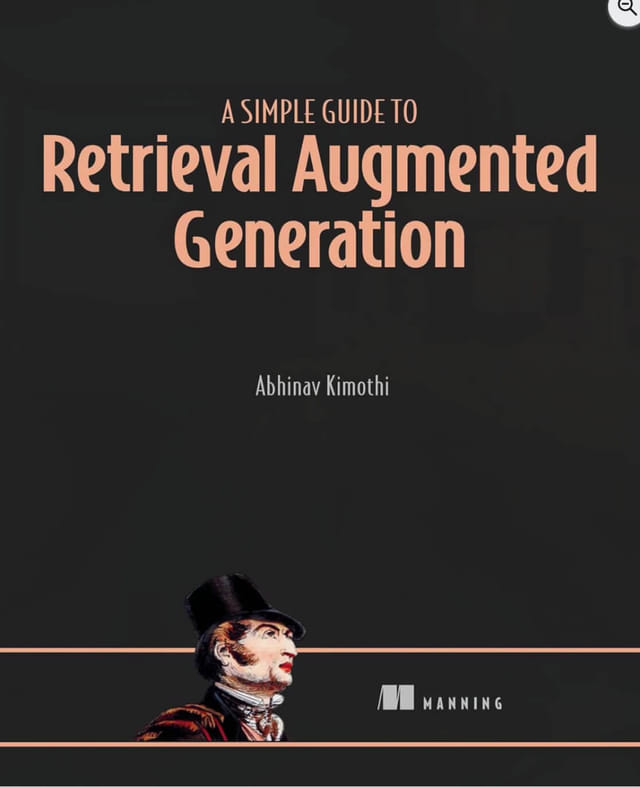
RAG is how most real LLM apps work. Connecting a model to your actual data is the only way to get answers grounded in reality. This book is focused and practical. It builds the whole system rather than just explaining what RAG is.
After reading Chip Huyen’s high-level take, this is where I go hands-on. Weeks 5-6.
👉 Get it on Amazon
👉 Get it on Manning
4. Building Reliable AI Systems — Rush Shahani
(Manning)
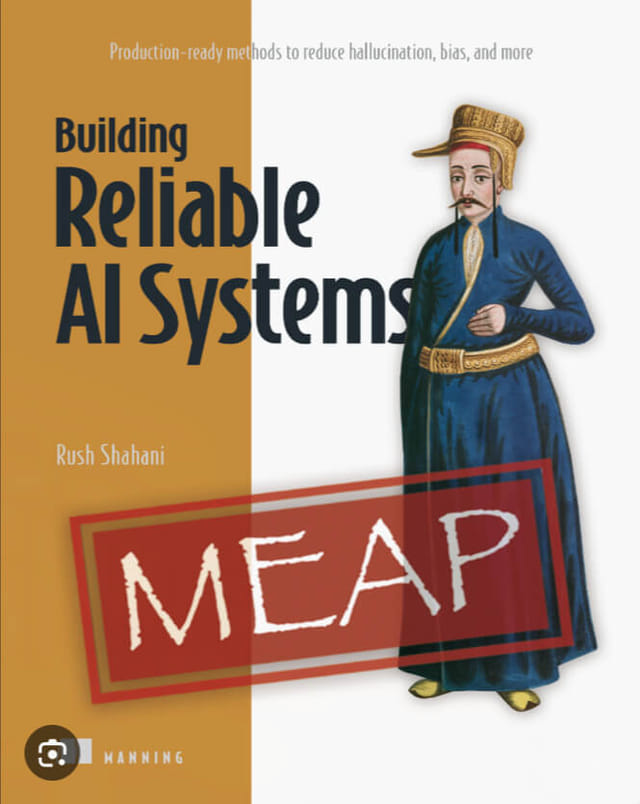
The unsexy part of AI engineering. Hallucination reduction. Cost and performance. Bias and ethical output. Monitoring. Basically: how do you not get paged at 2 AM because your LLM decided to make something up?
Reliability is what separates toys from products. Weeks 7-8.
👉 Get it on Manning
When you’re ready to go end-to-end
5. LLM Engineer’s Handbook — Paul Iusztin & Maxime Labonne
(Packt)
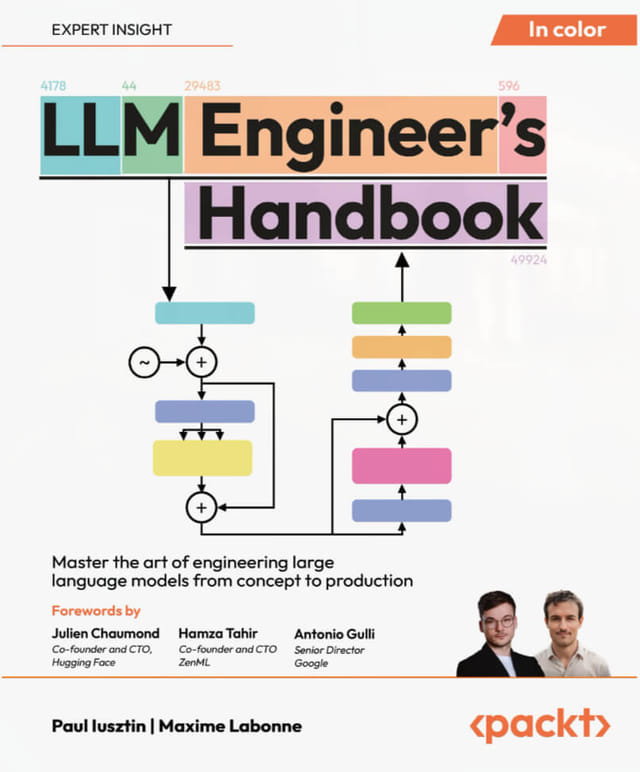
This covers the full lifecycle: data engineering, fine-tuning, deployment, inference optimization. It’s a lot. I’m not reading this in the first two months. It’s more of a deep reference once the mental model is solid, but it fills gaps that narrower books leave.
👉 Get it on Packt
The “actually understand it” book
6. Build a Large Language Model (From Scratch) — Sebastian Raschka
(Manning)
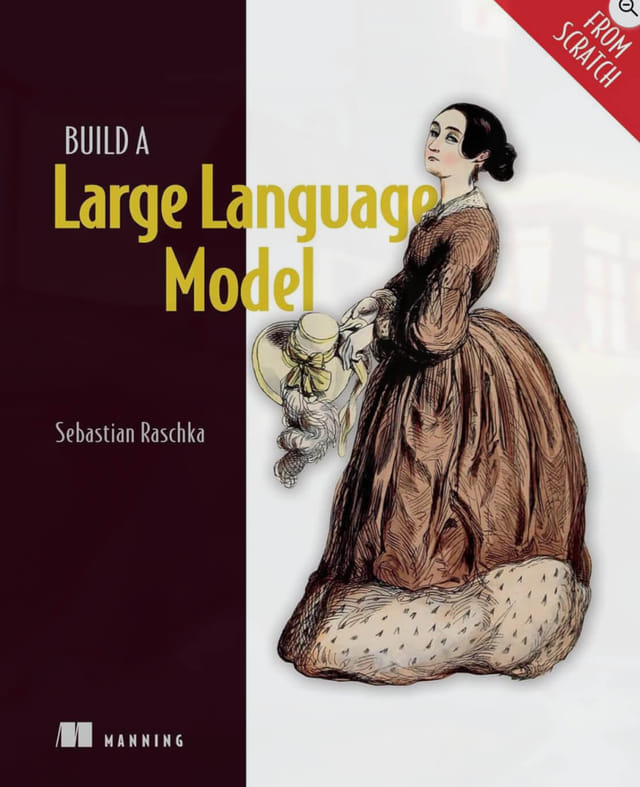
This is the one where you actually implement a transformer and train and fine-tune it. It’s hard. But if you’ve ever wanted to stop hand-waving about “attention mechanisms” and actually know what’s happening, this is the book.
I’m treating this as an optional deep dive, not part of the main sequence. But I will get to it.
👉 Get it on Amazon
👉 Get it on Manning
Agents are the story of 2026
7. AI Agents in Action — Micheal Lanham
(Manning)
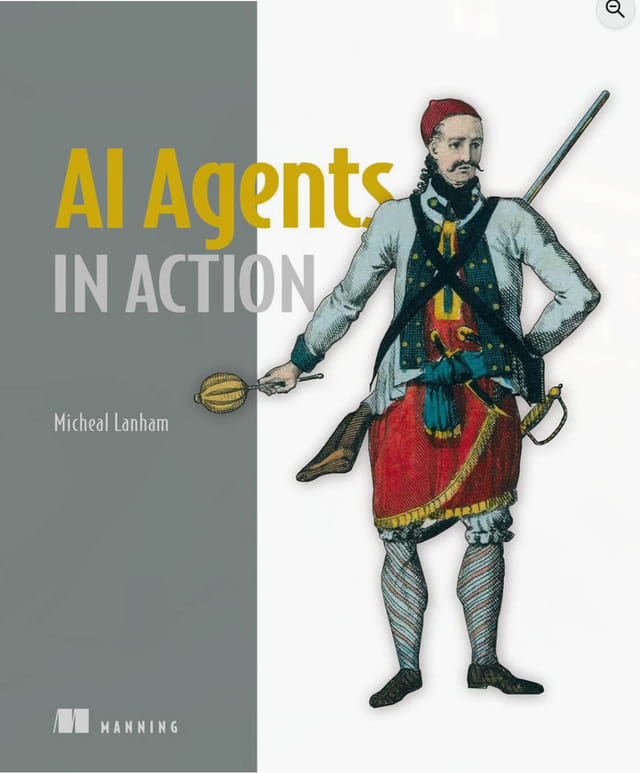
Everything is moving toward agents: AI that doesn’t just answer questions but takes actions, uses tools, and runs workflows. This book is about building those systems. I run OpenClaw as my own AI agent infrastructure, so this one hits close to home.
👉 Get it on Amazon
👉 Get it on Manning
8. Build a Reasoning Model (From Scratch)
(Manning)
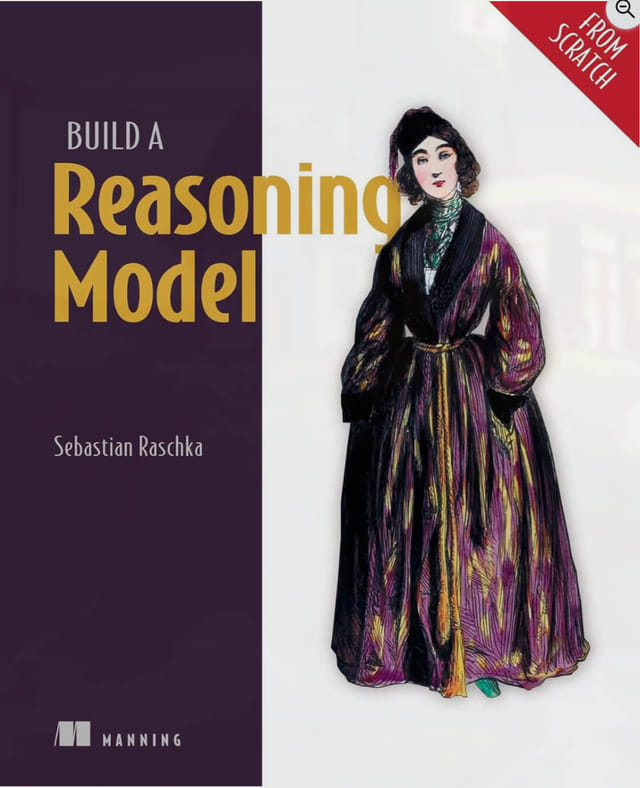
Reasoning models (think o1, o3, DeepSeek-R1) are different from standard chat models. If you want to understand where agentic systems are going, and why some models are dramatically better at multi-step problems, this is worth reading. On my radar for Q3.
👉 Get it on Amazon
👉 Get it on Manning
Security: not optional anymore
9. OWASP GenAI: LLM01 — Prompt Injection
(Free reference)
Not a book, but treat it like one. Prompt injection is the #1 vulnerability in LLM applications according to OWASP’s GenAI security project. Most developers building with AI have no idea what that means or how to defend against it.
Read this before you ship anything that takes user input.
👉 Read it at OWASP GenAI Project
10. Prompt Injection 101
(Practical DevSecOps, PDF guide, Dec 2025)
If the OWASP reference is too dry and you want something you can hand to your team, this is a compact security guide that covers the same ground in a readable format. Free PDF.
👉 Read it at Practical DevSecOps
Quick literacy reads
11. How Large Language Models Work — Edward Raff & Drew Farris
(Manning)
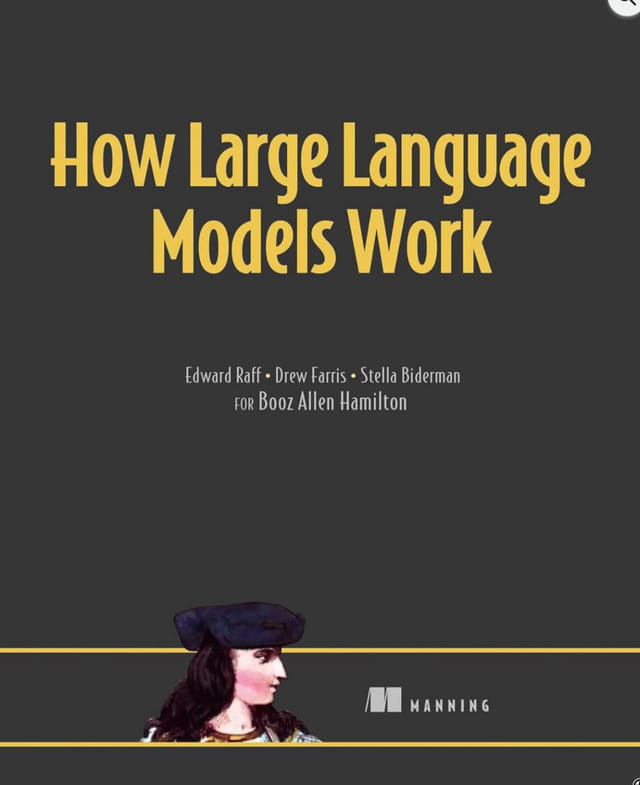
A readable “what’s actually going on under the hood” book. Less hands-on than Raschka, more accessible. Good for filling gaps after you’ve been using models for a while and want to reason better about tradeoffs.
👉 Get it on Amazon
👉 Get it on Manning
12. The AI Pocket Book — Emmanuel Maggiori
(Manning)
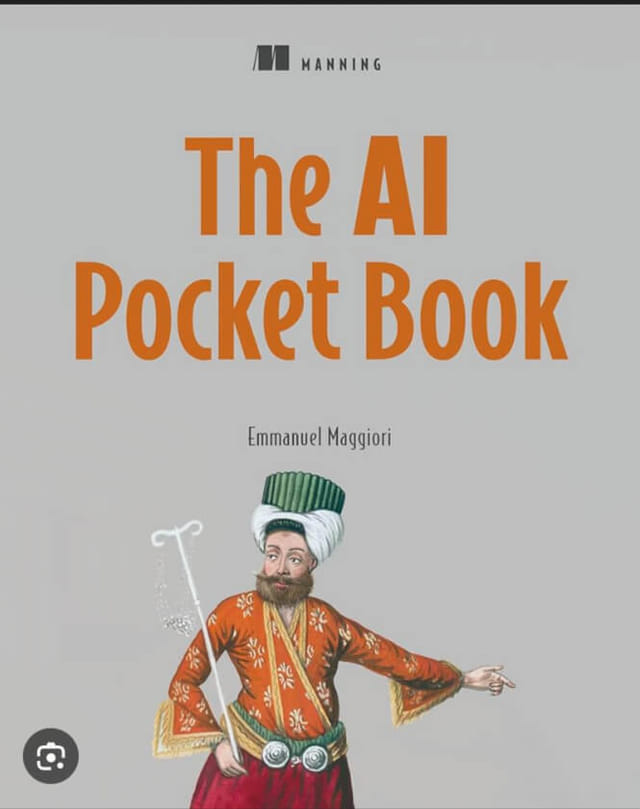
A compact overview of AI for engineers: concepts, limitations, practical implications, without turning into a textbook. Good to have on the shelf for quick reference.
👉 Get it on Amazon
👉 Get it on Manning
My reading order for 2026
| Timeframe | Book |
|---|---|
| Weeks 1-2 | Hands-On Large Language Models |
| Weeks 3-4 | AI Engineering (Chip Huyen) |
| Weeks 5-6 | A Simple Guide to RAG |
| Weeks 7-8 | Building Reliable AI Systems |
| Q2 | LLM Engineer’s Handbook |
| Q2-Q3 | AI Agents in Action |
| Q3 | Build a Large Language Model (From Scratch) |
| Q3-Q4 | Build a Reasoning Model (From Scratch) |
| Ongoing | OWASP Prompt Injection + How LLMs Work |
Security reading runs the whole year. Start with the OWASP reference before you ship anything.
The 3-book fast track
Don’t have time for all of that? If you could only read three:
- Hands-On Large Language Models — vocabulary and mental model
- AI Engineering — how real apps are built
- Build a Large Language Model (From Scratch) — actual depth when you’re ready for it
Two months. That’s the gap between knowing the buzzwords and understanding what’s actually going on.
I’ll document what I’m learning as I go. If you’re working through any of these, let me know which one and where you’re stuck.
This page may contain affiliate links. Please see my affiliate disclaimer for more info.